

Quick answer
A builders licence QLD is issued by QBCC in one of three classes, Low Rise, Medium Rise or Open, each authorising a wider scope of construction project management. Low Rise requires a Certificate IV in Building and Construction, Medium Rise a Diploma, and Open an Advanced Diploma, alongside 2 to 4 years of documented, verifiable experience.
A builders licence is a different animal to a trade licence. Where a trade licence, like carpentry or plumbing, authorises one scope of physical work, a builders licence authorises you to manage an entire construction project, coordinating multiple trades, taking on head contractor responsibility, and carrying the financial and legal weight that comes with it.
This guide breaks down the three Builder classes, the qualifications each one requires, how experience is assessed, and the mistakes that most often delay or sink an otherwise capable applicant’s Builder licence application.
Table of Contents
1. What Is a Builders Licence QLD?

A builders licence QLD is the legal authority, issued by QBCC, to contract, manage and supervise building work as a whole project, rather than a single trade scope. It confirms QBCC has assessed your qualifications, experience and financial capacity to run a construction project responsibly, engaging and coordinating other licensed trades along the way.
Without one, you cannot legally contract directly with a homeowner as a builder, tender for construction projects, or take on head contractor responsibility above the standard value threshold. If you are still deciding whether a Builder licence or a trade-specific licence fits your situation, compare the main QBCC licence options before choosing a pathway.
Home warranty insurance follows the licence
Builder licensees carrying out eligible residential work valued over $3,300, including GST, are generally required to hold Queensland Home Warranty Scheme cover before starting work.
2. The ThreeBuilder Licence Classes
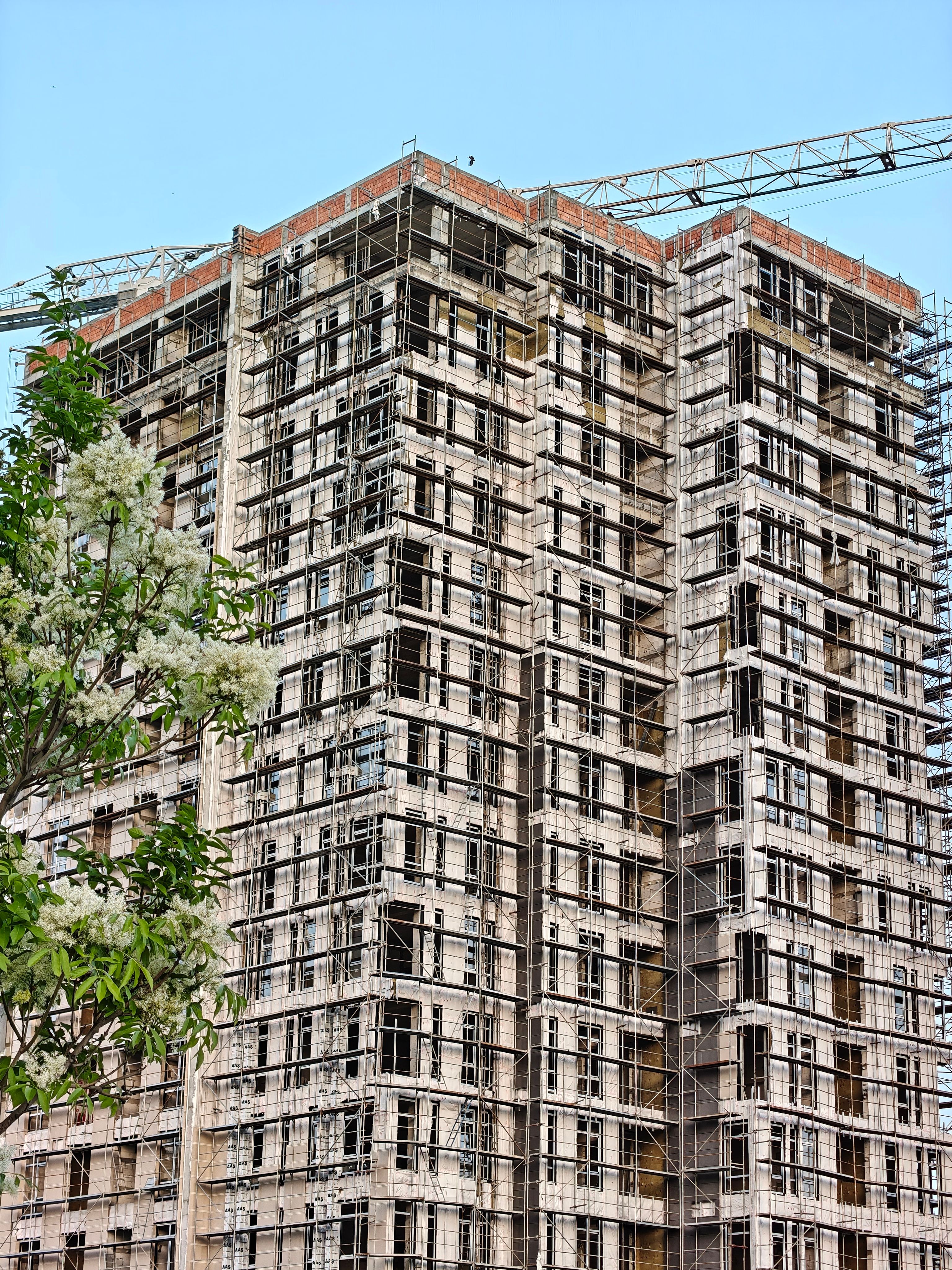
QBCC issues three Builder classes, scaled to the size and complexity of the project a licensee is authorised to manage.
Many builders progress through these classes over their career, starting at Low Rise, moving to Medium Rise as project size grows, and eventually to Open for unrestricted scope. Each upgrade is a fresh assessment against that class’s specific requirements, not an automatic extension of the previous one.
Referees must hold a matching class
When upgrading, your referees need to hold a licence class appropriate to the work being verified. A Medium Rise licence holder cannot verify experience on a project that exceeded Medium Rise scope.
3. Qualifications You Need for Each Class

Each Builder class has a specific benchmark qualification, and QBCC does not accept experience as a substitute for it, no matter how extensive that experience is.
A Certificate IV is not accepted for Medium Rise, and a Diploma is not accepted for Open. QBCC treats each higher qualification as proof of the additional theoretical and regulatory foundation that class requires, something practical experience alone does not demonstrate. Recognition of Prior Learning (RPL) through a Registered Training Organisation is available if you have not completed the formal course, but it must still result in the equivalent qualification being formally recognised, not simply “similar” experience.
The qualification must be complete before you lodge
Applications lodged while a diploma or advanced diploma is “nearly finished” stall until it is actually completed, which can push assessment timelines out by months. Lodge only once the qualification is formally issued.
4. Experience Requirements

Alongside the qualification, most Builder applications need 2 to 4 years of documented, verifiable experience relevant to the class applied for.
- ✓An Experience Declaration Form documenting typically 6 to 10 significant projects, including addresses and date ranges.
- ✓Your supervisory role on each project, and the trades or scopes you coordinated.
- ✓Licensed builder referees who can verify each entry and are contactable during assessment.
- ✓Experience gained after obtaining the relevant qualification, since QBCC assesses experience against that threshold date.
That last point catches many applicants out: experience earned before completing the qualifying course can be reduced or excluded during assessment, even if the work itself was genuinely relevant and well documented.
Sequence matters as much as substance
Get the qualification first, then build your documented experience case from that date forward. Experience collected in the wrong order does not carry the weight it should.
5. Builder Licence vs Trade Contractor Licence

It is easy to assume “builder” is simply the top of the ladder for every trade, but a Builder licence and a Trade Contractor licence, carpentry or otherwise, authorise genuinely different things.
A trade contractor can subcontract their scope to a Builder managing a larger project without needing a Builder licence themselves. Conversely, someone wanting to run whole projects, not just perform one trade, needs the Builder pathway specifically. If your business is also considering the broader trade contracting landscape, compare the QBCC Trade Contractor licence pathway to see how the two sit alongside each other.
Ask which role you actually want
If your goal is to run your own trade business rather than manage entire builds, a Builder licence is not the right target, and carries qualification and experience requirements well beyond what a trade licence needs.
6. Common Mistakes That Delay or Reject Applications

7. How QBCC Express Helps You Get Your Builders Licence

Builder licence applications are some of the most demanding QBCC handles, precisely because qualification, experience, referees and financial capacity all have to line up correctly at the same time. QBCC Express helps applicants treat this as one integrated pathway rather than a set of disconnected tasks.
Start with the QBCC licence options page to confirm the right pathway, or use the QX Checker to sense-check where you currently stand.
Skipping the qualification step is the most expensive mistake
Assembling a strong experience case before confirming the qualification requirement is met is the single most common way applicants waste months and application fees on a Builder licence attempt.
8. FAQs
What is the easiest builders licence QLD to get?
Builder – Low Rise has the lowest qualification tier, a Certificate IV, and is the most common starting point for builders in Queensland.
Can I use my Certificate IV to apply for Medium Rise?
No. Medium Rise requires a Diploma of Building and Construction (CPC50220) or a formally recognised equivalent. A Certificate IV alone does not meet the requirement.
How much experience do I need for a Builder licence?
Typically 2 to 4 years of documented, verifiable experience relevant to the class, counted from the date you obtained the relevant qualification.
Can I start a Builder licence application while my diploma is still in progress?
No, not effectively. The qualification must be fully completed at lodgement, or the application will stall until it is finished.
Does a carpentry licence let me become a builder?
Not on its own. A carpentry Trade Contractor licence authorises carpentry-scope work only. Managing a full construction project requires a separate Builder class application with its own qualificatio
n and experience requirements.
Where should I start if I want a builders licence QLD?
Start with the QBCC licence options page or contact QBCC Express with your current qualification and project goals.
Ready to plan your builders licence QLD pathway?
Get clarity on the exact class, qualification and experience evidence you need before you commit to a course or lodge an application.
Book a free consultation with QBCC Express