
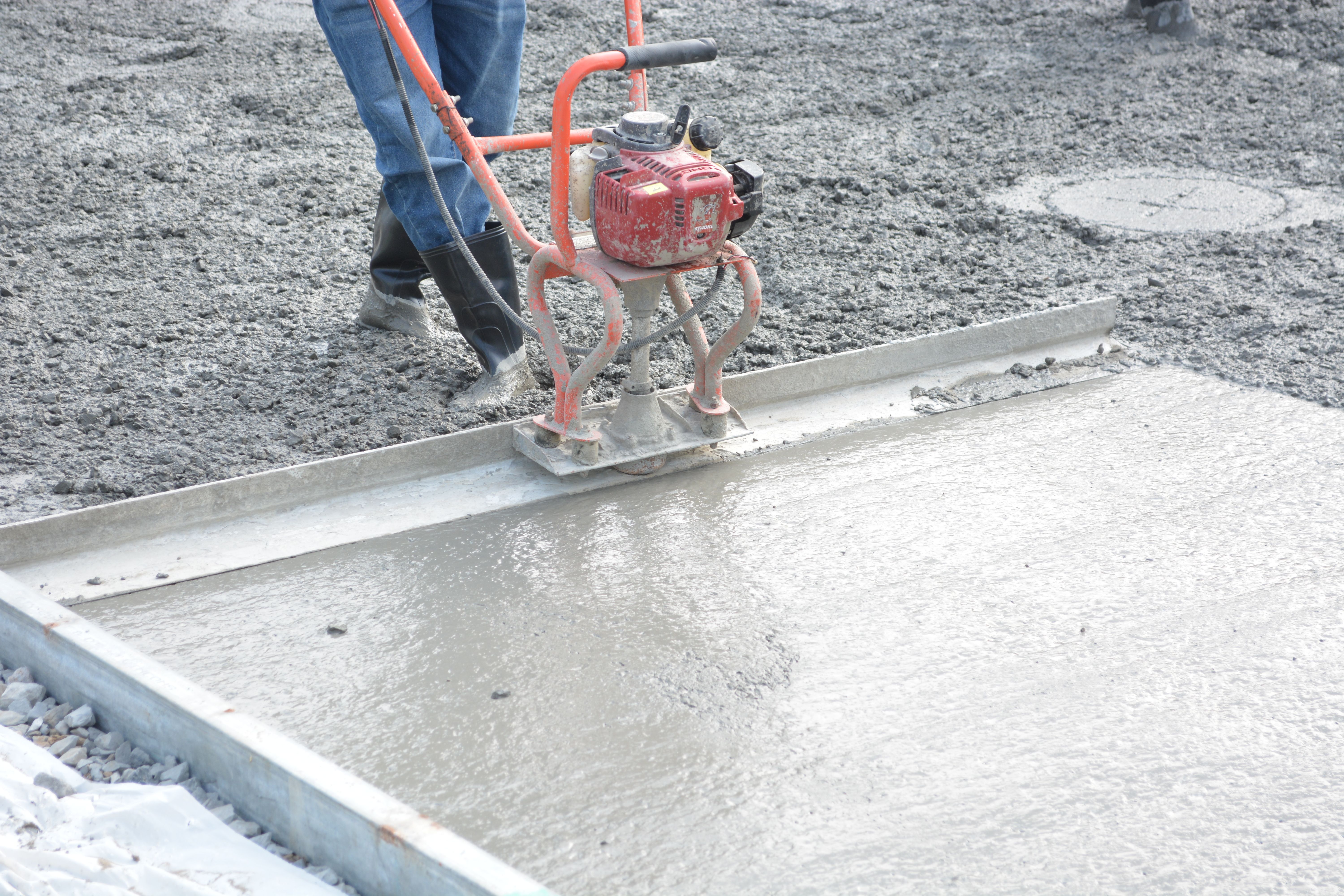
Quick answer
Yes. In Queensland, concreters generally need a QBCC licence to carry out concreting work valued over $3,300, including labour and materials. The standard Concreting licence covers formwork, reinforcement and concrete, but larger structural work such as engineered slabs, footings or retaining walls can require a Builder licence instead.
Concreting is one of QBCC’s most common trade licence classes, and also one of the easiest to get slightly wrong, because the everyday scope, driveways, paths, slabs, can shade into structural building work that sits under a different licence class entirely.
This guide sets out when a QBCC licence is required for concreting, exactly what the Concreting licence covers, when a Builder licence applies instead, the different licence types available, and how to avoid the mistakes that catch out concreters and homeowners in Queensland.
Table of Contents
1. Do Concreters Need a QBCC Licence?

Under the QBCC Act, a person must hold a QBCC licence of the appropriate class to carry out concreting work valued over $3,300, including labour, materials and GST. This is the same general building work threshold that applies across most QBCC trade classes, and Queensland’s $3,300 figure is one of the lowest thresholds of any Australian state.
The threshold applies to the total value of the job, not the amount invoiced for labour alone, and splitting a job into multiple smaller invoices specifically to stay under the threshold is treated as non-compliant. If you are still deciding which broad licence category your business needs, compare the main QBCC licence options before you go further.
Splitting invoices does not avoid the rule
Breaking one job into multiple smaller invoices to stay under $3,300 is treated as non-compliant. QBCC assesses the total value of the work, not how it happens to be billed.
2. What the QBCC Concreting Licence Covers

QBCC’s Concreting licence class permits the holder to install formwork, reinforcement and concrete. This covers the full sequence of a typical concreting job, not just pouring and finishing the concrete itself.
- ✓Building and installing formwork to hold the concrete in place while it cures.
- ✓Placing reinforcement, such as mesh and bar, within the formwork.
- ✓Pouring, placing, vibrating, levelling and finishing concrete, including colouring or patterning.
- ✓Incidental work from another licence class, provided that incidental component is valued under $3,300.
That last point matters in practice: a concreter can pick up small amounts of adjacent work, like a bit of minor excavation or edging, without needing a separate licence for it, as long as that portion stays under the threshold and is genuinely incidental to the main concreting job.
“Incidental” has a limit
Incidental work from another class only stays exempt while it is genuinely minor and under $3,300. A concreter regularly taking on a separate trade’s scope at that value should look at whether they actually need an additional licence class.
3. When You Might Need a Builder Licence Instead

A standard Concreting licence is built for the concreting trade scope, not for structural building work. Structural concrete, load-bearing slabs, footings that support a building, and engineered retaining walls, generally sits under a Builder licence class rather than the Concreting trade class, because it forms part of a building’s structure rather than a standalone concrete element.
Retaining walls are a common grey area. If a retaining wall is part of a broader landscaping scope, it may fall under the structural landscaping classes instead. Compare the QBCC Builder licences to see where structural concrete work sits relative to a standard trade Concreting licence, and confirm the correct class before quoting anything load-bearing or engineered.
When in doubt, ask before you pour
If a job carries structural load, forms part of a building’s frame, or needs an engineer’s design, confirm the correct licence class before work starts, not after the concrete has already been poured
.
4. The Different QBCC Concreting Licence Types

Concreting is not a single licence, it is a class that can be held under a few different licence types, depending on the role you intend to perform.
If you plan to run your own concreting business rather than work for a licensed employer, the Contractor licence is the one that lets you quote, contract and invoice clients directly. If your business will operate through a company, remember the company itself also needs a licence and a matching nominee, which the QBCC Company & Nominee Licence page explains in more detail.
Employees usually do not need their own licence
If you work as an employee under a licensed concreting contractor and are not responsible for overseeing, directing or certifying the work, you generally do not need your own QBCC licence.
5. How to Get a QBCC Concreting Licence
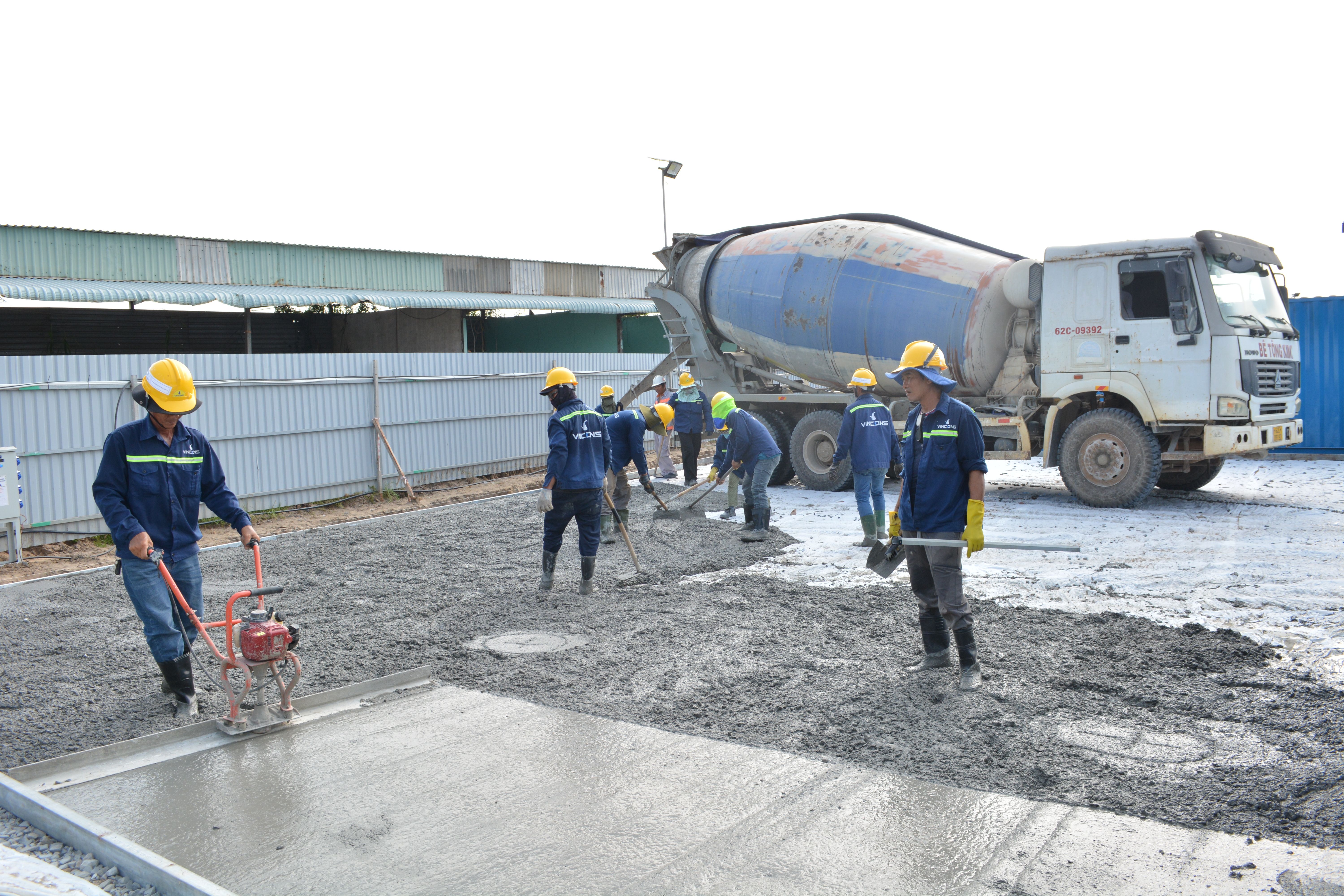
Most Concreting licence applications need the following elements prepared and checked before lodgement, regardless of which licence type you are applying for.
- ✓A Certificate III in Concreting (CPC30320) or an equivalent, or approved recognition of prior learning gained through a traineeship, apprenticeship or documented industry experience.
- ✓Evidence of practical experience in the concreting scope of work.
- ✓The approved managerial qualification, BSBESB402 – Establish legal and risk management requirements of new business ventures, for a Contractor licence.
- ✓Financial information to meet Minimum Financial Requirements for a contractor-type licence.
- ✓Photographic proof of identity, evidence of your business structure, and a pass on the fit-and-proper-person check.
Use the QX Checker to sense-check your application before you lodge it, and see the QBCC licensing FAQs for answers to broader licensing questions.
No quoting before the licence is granted
You cannot lawfully quote or contract for licensed concreting work under a contractor licence until QBCC has actually granted it, no matter how far along the application is.
6. Common Mistakes Concreters and Homeowners Make
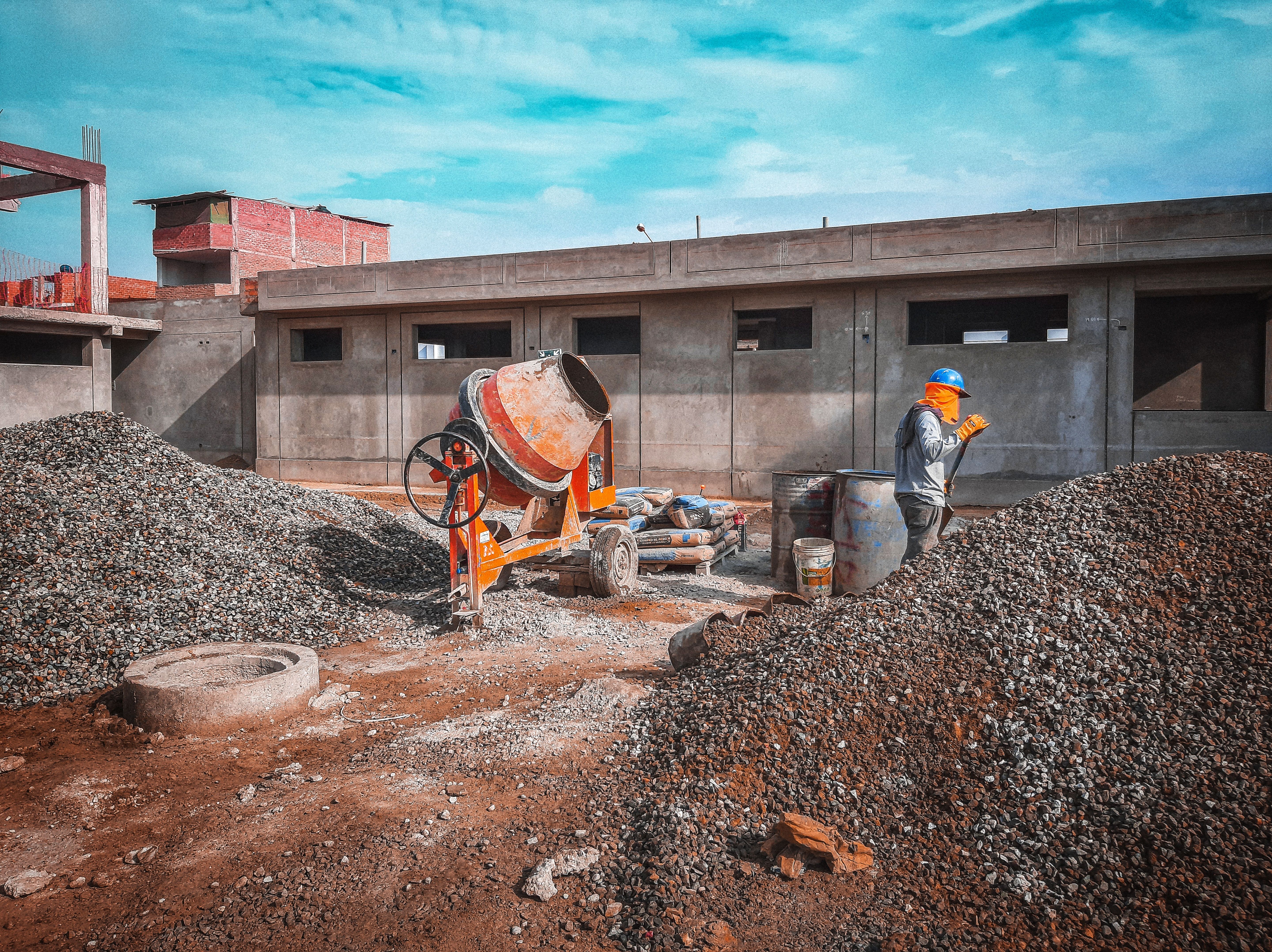
7. How QBCC Express Helps Concreters

Concreting looks straightforward on paper, but the line between standard trade concreting and structural building work is not always obvious until QBCC or a building certifier raises it. QBCC Express helps concreters and concreting companies get the licence type and class right before it becomes a compliance problem.
Start with the QBCC licence options page to confirm the right pathway for your business.
Confirm the class before the truck is booked
The safest habit for any concreting business is confirming licence class and structural status before a job is quoted, not after the concrete order is already placed.
8. FAQs
Do I need a QBCC licence to pour a small concrete patch?
Not necessarily. If the total value of the job, materials and labour combined, is under $3,300, it can fall outside the licensing requirement. Above that value, a QBCC Concreting licence is generally
required.
Can I split a big job into smaller invoices to avoid needing a licence?
No. QBCC assesses the total value of the work. Splitting a job into multiple invoices to stay under $3,300 is treated as non-compliant.
Does a Concreting licence cover structural slabs and footings?
Not always. Structural, load-bearing concrete work that forms part of a building’s frame often sits under a Builder licence class rather than the standard Concreting trade class. Confirm the correct
class before taking on structural work.
What is the difference between a Contractor and a Nominee Supervisor licence?
A Contractor licence lets you contract directly with clients and issue invoices in your own name. A Nominee Supervisor licence lets you oversee concreting work carried out by a licensed company, but
does not allow independent contracting.
Do employees of a concreting company need their own QBCC licence?
Generally no, if they are carrying out work as an employee of a licensed contractor and not responsible for overseeing, directing or certifying the work. Anyone acting as a nominee or site supervisor
does need the relevant licence.
Can my company use my personal concreting licence?
No. A company is a separate legal entity and needs its own QBCC licence and a nominee supervisor holding the matching individual class, even if a director is personally licensed.
Where should I start if I am unsure which concreting licence I need?
Start with the QBCC licence options page or contact QBCC Express with the type of concreting work and typical project value you take on.
Ready to confirm your concreting licence class?
Get clarity on whether your scope of work needs a Concreting or Builder class, and which licence type fits your role, before your next quote goes out.