Quick answer
Usually not for pure electrical work. Electrical work under the Electrical Safety Act 2002 is regulated by the Electrical Safety Office, not QBCC. However, many electricians still need a QBCC licence for related scopes such as solar installation, mechanical services (air conditioning), fire protection systems, or any other building work valued over $3,300.
This is one of the most misunderstood licensing questions in Queensland’s trades. Electricians are told, correctly, that electrical work sits outside QBCC’s jurisdiction. What often gets missed is that the same electrician can easily move into scopes of work that do require a QBCC licence, sometimes on the very same job.
This guide explains the split between the two regulators, exactly when a QBCC licence becomes necessary for electrical businesses, what the Electrical Trade Contractor licence involves, and the mistakes that catch out electricians who assume ESO licensing is the only thing they need.
Table of Contents
1. Do Electricians Need a QBCC Licence?

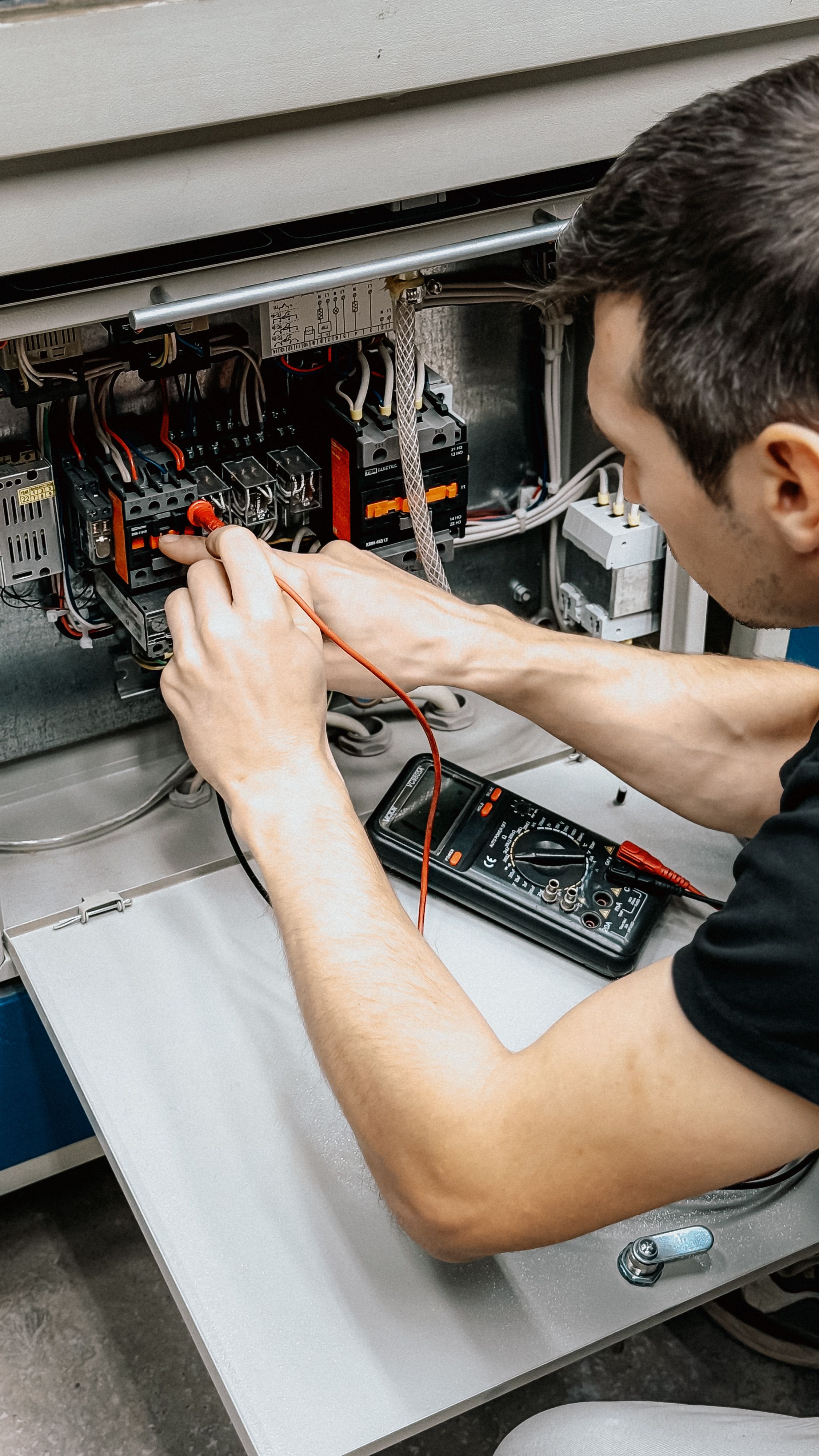
The short answer is: it depends on the scope of work, not on the trade. Electrical work regulated under the Electrical Safety Act 2002, wiring, switchboards, power points, lighting circuits, is not building work for QBCC’s purposes, and an electrician performing that work does not need a QBCC licence for it.
QBCC’s own guidance is explicit on this point: an electrician carrying out electrical work does not need a QBCC licence for that work, but is also reminded that an electrician cannot carry out other building work without one. That second half of the sentence is where most confusion happens. If you are still working out which broad licence category might apply to any non-electrical work your business takes on, compare the main QBCC licence options.
One trade, two possible regulators
The safest habit is to check the scope, not the tools. The fact you are doing “electrical” work does not automatically put you inside or outside QBCC’s jurisdiction. What matters is what the work actually is.
2. Two Different Regulators: ESO vs QBCC
Electrical licensing in Queensland sits across two separate agencies, and understanding which one governs which part of your work is the whole key to this topic.
These systems are not entirely separate in practice. Under the QBCC Regulation, businesses licensed under QBCC legislation can carry out minor incidental electrical work without needing a second, separate ESO licence for that small component, and the reverse applies too: holding a QBCC trade contractor licence can mean you do not need a separate ESO electrical contractor licence, although you and your workers still need the relevant restricted electrical work licence to actually perform electrical tasks.
Two systems, one job
A single project, like a solar installation with a switchboard upgrade, can genuinely involve both regulators at once. Treat that as normal, not as a red flag that something has gone wrong.
3. When Electricians DO Need a QBCC Licence

A handful of scopes come up repeatedly for electrical businesses that also need to hold a QBCC licence.
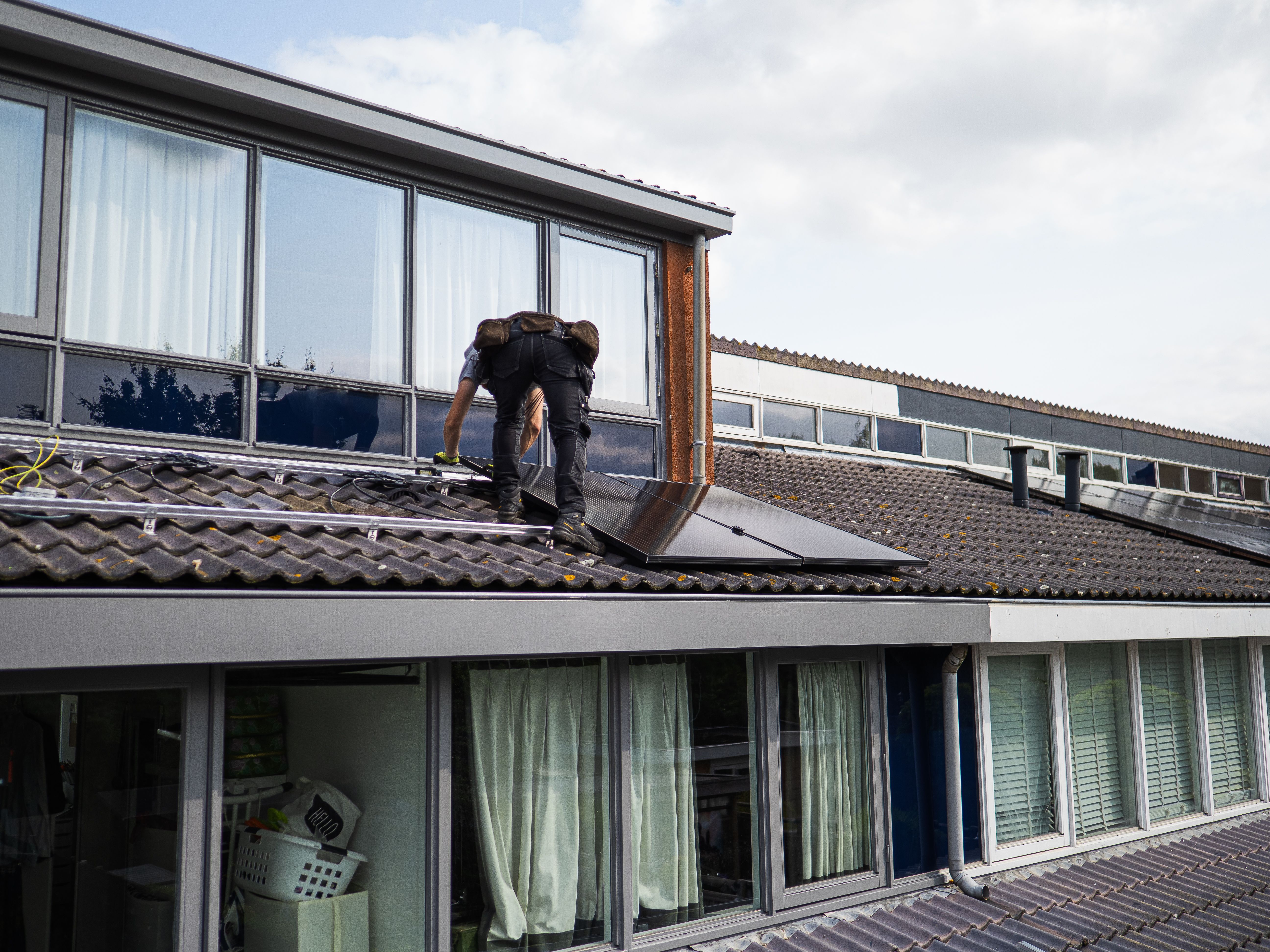
- ✓Solar installation. Most electrical installation work, including solar, qualifies as building work under the QBCC Act, so a QBCC licence is generally required in addition to your Electrical Safety Queensland licensing.
- ✓Mechanical services and air-conditioning. A split-system air-conditioning unit is installed as a system, not an appliance, and this work needs a QBCC mechanical services licence, not just an electrical licence.
- ✓Fire protection systems. Electrical mechanics who install or maintain fire alarm systems may need a QBCC fire protection occupational licence, even though the underlying electrical work itself is not QBCC
. - ✓Any other building work over $3,300. Taking on carpentry, general renovation, or other construction scope alongside your electrical work brings that portion under QBCC’s ordinary rules.
These scopes are common enough that many electrical businesses hold both an ESO electrical contractor licence and a QBCC trade licence at the same time, and structure their business and supervision around both sets of obligations.
Check every new service line you add
Whenever your electrical business starts offering a new type of work, solar, air conditioning, fire systems, treat it as a fresh licensing question rather than assuming your existing ESO licence automatically covers it.
4. The QBCC Electrical Trade Contractor Licence

Where a QBCC licence is required, most electrical businesses apply for the QBCC Electrical Trade Contractor licence. It is built around two linked requirements rather than one set of criteria.
You can nominate yourself for the QTP role if you hold the required electrical licence, or nominate another qualified electrician. If you plan to operate through a company, remember the company itself also needs its own licence and a matching nominee, which the QBCC Company & Nominee Licence page explains in more detail. Compare the broader QBCC Trade Contractor licence pathway to see how the Electrical cla
ss sits alongside other trades.
Advertising rules apply either way
Whether you hold an ESO electrical contractor licence, a QBCC licence, or both, your advertising must include your registered business name and the relevant licence number. This applies to vehicles, websites and social media alike.
5. How to Apply for a QBCC Licence as an Electrician

Most QBCC applications relevant to electricians need the following elements prepared and checked before lodgement.
- ✓Your current Queensland electrical work licence, to support the Qualified Technical Person requirement.
- ✓The approved managerial qualification for the Qualified Business Person requirement.
- ✓Evidence of practical experience relevant to the scope you intend to work in, such as solar, mechanical services or fire protection.
- ✓Financial information to meet Minimum Financial Requirements for a contractor-type licence.
- ✓Evidence of your business structure, and a pass on the fit-and-proper-person check.
Use the QX Checker to sense-check your application before you lodge it, and see the QBCC licensing FAQs for answers to broader licensing questions.
Two applications, two agencies
Your ESO electrical work licence and your QBCC trade licence are assessed separately, by separate agencies, on separate timelines. Applying for one does not automatically progress the other.
6. Common Mistakes Electricians Make

7. How QBCC Express Helps Electricians
tions down.
Electrical businesses sit across two regulators at once, and working out exactly where the QBCC boundary falls for your specific services is not always obvious from the outside. QBCC Express helps electricians and electrical companies confirm what actually needs a QBCC licence, and get the Electrical Trade Contractor application right before it becomes a compliance problem.
Start with the QBCC licence options page to confirm the right pathway for your business.
Confirm both licences before you diversify
The safest habit for any electrical business is confirming both ESO and QBCC requirements before adding a new service line, not after a client has already been quoted.
8. FAQs
Do I need a QBCC licence just to rewire a house?
No. Standard electrical work like rewiring, switchboards and power points is regulated by the Electrical Safety Office, not QBCC. You need the relevant ESO electrical work and contractor licences for
that work.
Do I need a QBCC licence to install solar panels?
Generally yes, in addition to your Electrical Safety Queensland licensing. Most electrical installation work, including solar, qualifies as building work under the QBCC Act.
Does installing a split-system air conditioner need a QBCC licence?
Generally yes. A split-system unit is installed as a system, and this is treated as QBCC building work requiring a mechanical services licence, separate from your electrical qualification.
What are QTP and QBP on an Electrical Trade Contractor licence?
QTP (Qualified Technical Person) confirms the business has the electrical trade skills, via a current Electrical Mechanic licence. QBP (Qualified Business Person) confirms the business meets QBCC’s b
usiness and risk management standards. Both are required.
If I hold a QBCC licence, do I still need an ESO electrical contractor licence?
In some cases holding a QBCC trade contractor licence means you do not need a separate ESO electrical contractor licence. You and your workers will still need the relevant restricted electrical work
licence to actually perform electrical tasks.
Can my company use my personal QBCC or ESO licence?
No. A company is a separate legal entity and needs its own licence and, for QBCC, a nominee supervisor holding the matching individual class, even if a director is personally licensed.
Where should I start if I am unsure whether my electrical work needs a QBCC licence?
Start with the QBCC licence options page or contact QBCC Express with the specific services your electrical business offers.
Ready to confirm your QBCC licensing position?
Get clarity on which of your services need a QBCC licence, and what the Electrical Trade Contractor application actually involves, before your next quote goes out.