

Quick answer
Yes, in most cases. Under the QBCC Act, you need a QBCC licence to build a fence in Queensland unless it will be built on non-agricultural, non-pastoral land and is worth less than $3,300, or another
specific exemption applies. The licence class you need depends on the fencing material.
Fencing looks simple, but it sits inside the same licensing framework as any other building work in Queensland. Homeowners often assume a fence is exempt because it is “justa fence,” and fencing contractors sometimes assume one licence class covers every material. Neither assumption holds up under the QBCC’s licensing rules.
This guide sets out when a QBCC licence is required for fencing, which exemptions actually apply, which licence classes let you build which type of fence, and the mistakes that most often catch homeowners and fencing contractors out.
Table of Contents
1. When Fencing Needs a QBCC Licence

Under the QBCC Act and the QBCC Regulation, a person must hold a QBCC licence of the appropriate class to construct a fence in Queensland. Fencing is treated as building work, in the same way decking, retaining walls and carports are. The default position is that a licence is required, and the exemptions are the exception rather than the rule.
That means the question is not really “is fencing regulated?” It almost always is. The real question is whether your specific job falls into one of the narrow carve-outs QBCC allows, and if not, which licence class matches the fencing material you are using. If you are still working out which broad licence category your business needs, compare the main QBCC licence options before going further.
Start from “licensed” and work backwards
Treat every fencing job as needing a licence until you have specifically confirmed an exemption applies. That habit avoids the most common compliance mistake in the fencing trade.
2. The $3,300 Rule and Other Exemptions

: Mikael
Blomkvist / Pexels.
The main exemption most people rely on is the $3,300 threshold. A QBCC licence is generally not required to build a fence if the fence will be built on land that is not agricultural or pastoral land, and the total value of the fencing work, including labour and materials, is less than $3,300.
A separate position applies on agricultural or pastoral land, where fencing is treated differently under the QBCC Regulation. Rural boundary and stock fencing built by or for a landowner on agricultural or pastoral land can fall outside the licensing requirement in circumstances the Regulation sets out, which is different again from the $3,300 test that applies to a suburban back fence.
- ✓The land is not agricultural or pastoral land, and the fence’s total value is under $3,300.
- ✓Certain fencing on agricultural or pastoral land, as described in the QBCC Regulation’s excluded building work provisions.
- ✓Certain other prescribed exclusions in the Regulation that remove specific fencing work from the definition of building work.
Two traps come up repeatedly. First, the $3,300 figure is the total value of the work, not the trade price after a mate’s rates discount, so materials bought separately still count toward the threshold. Second, a home warranty premium is a separate question from licensing: contracting to build a stand-alone fence does not generally require a home warranty premium, but if the fence is part of a broader contract to build or extend a home, a premium may still need to be paid before work starts.
Not sure if you qualify?
If there is any doubt about the land classification, the value of the job or whether a specific exclusion applies, confirm the position before work starts rather than after. Getting it wrong exposes
both the contractor and the client to compliance issues.
3. Which QBCC Licence Classes Cover Fencing?

There is no single “fencing licence” that covers every job. Instead, the class of QBCC licence required depends on the construction material being used. The right class for a timber fence is not necessarily the right class for a metal, glass or masonry fence, and a company that only holds one of these classes cannot rely on it to build the others.
If your business is expanding beyond fencing into broader trade contracting, compare the QBCC Trade Contractor licence pathway to see how a fencing-related class fits alongside other trade classes.
If the fencing business operates through a company rather than as a sole trader, the company itself will also need the appropriate licence and a matching nominee, which the QBCC Company & Nominee Licence page explains in more detail.
Match the class to the material, every time
A fencing contractor who regularly works across timber, metal and glass may need more than one licence class, or a broader class that covers all of them. Confirm scope of work before quoting a job ou
tside your usual material.
4. Pool Fencing: A Different Set of Rules
dard boundary fence.
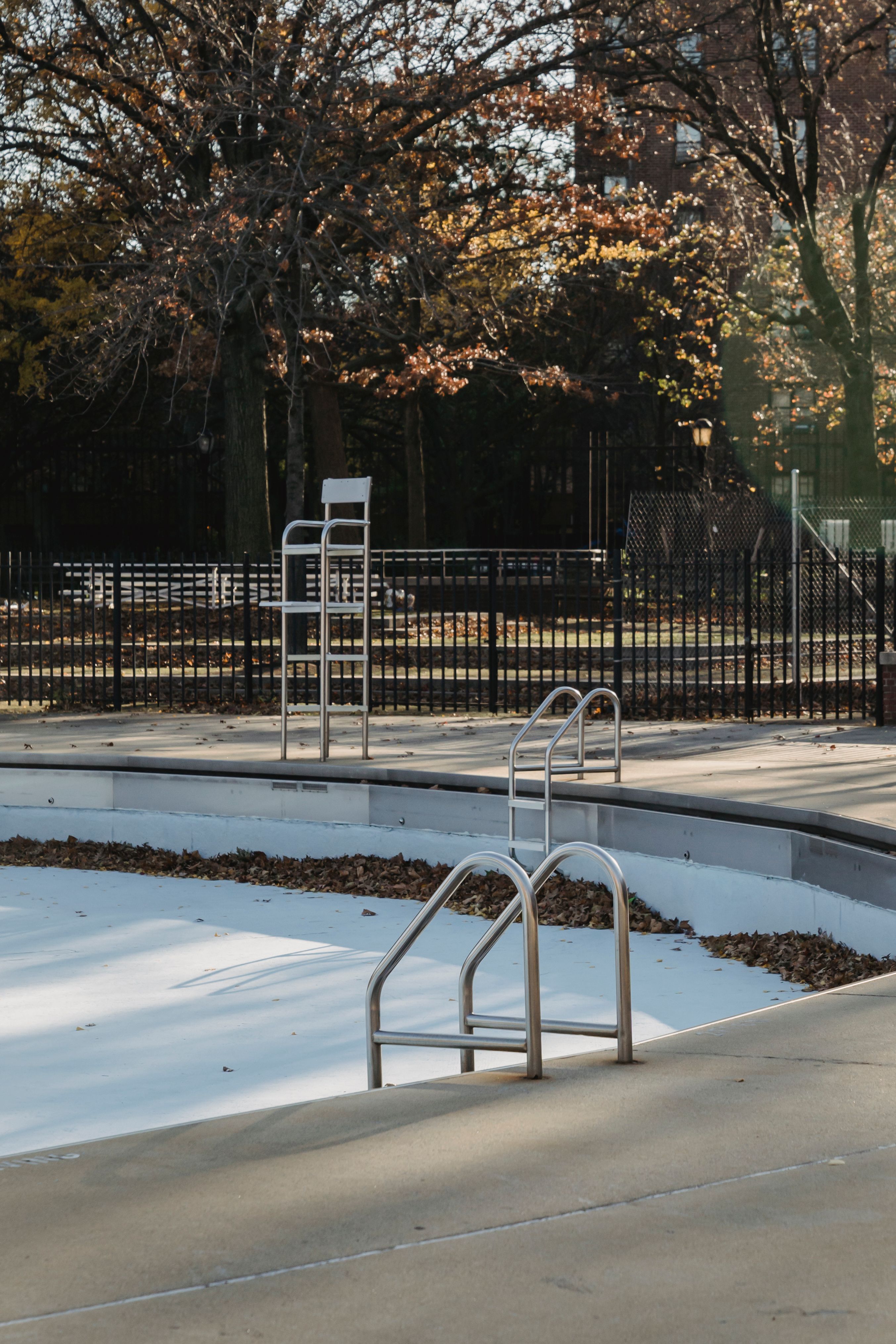
Pool fencing is treated more strictly than general fencing because it functions as a child-safety barrier under Queensland’s pool safety laws, on top of QBCC’s building work licensing. Constructing or installing a pool fence is generally licensed work in its own right, and the $3,300 general exemption is not a reliable basis for assuming pool fencing work is exempt.
The relevant licence classes cover pool fence construction and pool fence installation separately, which matters if you are building custom pool fencing onsite compared with installing a prefabricated or modular pool safety barrier. Beyond the licensing question, a pool fence also has to meet the Australian Standard for pool barriers, including fence height, gap sizes and self-closing, self-latching gate hardware, which is a compliance layer that sits alongside, not instead of, the licensing requirement.
Treat pool fencing as its own category
Do not assume a standard fencing licence covers pool fence work. Confirm you hold the correct swimming pool construction or installation class before quoting the job.
5. How to Apply for a QBCC Fencing-Related Licence

ted correctly.
The criteria differ slightly between licence classes, but most fencing-related applications follow a similar shape: identify the correct class for the materials you intend to work with, then
demonstrate you meet the eligibility rules for that class.
- ✓Confirm the exact licence class for the fencing material and scope of work you intend to contract.
- ✓Gather evidence of technical experience in that scope of work, typically two to four years depending on the class.
- ✓Complete any approved managerial qualification the class requires.
- ✓Prepare financial information to meet Minimum Financial Requirements for a contractor-type licence.
- ✓Submit the application form, experience/referee report and supporting evidence, and pass the fit-and-proper-person check.
If your fencing business is operating, or will operate, through a company structure, remember the company needs its own licence and nominee arrangement separate from any individual licence you hold personally. Use the QX Checker to sense-check where your application currently stands before you lodge.
Processing takes time
Assessment can take from several weeks up to around three months for more complex applications. No fencing work or quoting under a contractor licence is permitted before the licence is actually granted.
6. Common Mistakes That Get Fencing Contractors in Trouble

7. How QBCC Express Helps Fencing Contractors

own.
Fencing sits at an awkward intersection of QBCC’s licensing system: it looks like a small job, but the licence classes, exemptions and pool-safety overlay make it easy to get wrong. QBCC Express helps fencing contractors and companies work through that complexity before it becomes a compliance problem.
Start with the QBCC licence options page to confirm the broad pathway, or go straight to the QBCC licensing FAQs for answers to related questions.
Confirm the class before you quote
The safest habit for any fencing business is confirming licence class and exemption status before a job is quoted, not after a client has already signed off on price.
8. FAQs
Do I need a QBCC licence to build my own fence at home?
Not necessarily. If the fence will be built on non-agricultural, non-pastoral land and the total value is under $3,300, it can fall outside the licensing requirement. Above that value, or on agricult
ural or pastoral land, different rules apply.
Does the $3,300 figure include materials, or just labour?
It includes the total value of the work, meaning materials and labour combined, not the invoiced labour cost alone.
Can one licence class cover timber, metal and glass fencing?
Not automatically. The class of licence required depends on the construction material, so a contractor working across multiple materials may need more than one relevant class.
Is pool fencing exempt under the $3,300 rule?
Generally no. Pool fencing is treated as safety-critical work with its own licence classes, and relying on the general value-based exemption is not a safe assumption for pool safety barriers.
Do rural boundary fences need a QBCC licence?
Fencing on agricultural or pastoral land is treated differently under the QBCC Regulation than fencing on residential or urban land, so the $3,300 rule is not the test to apply. Confirm the land clas
sification and the relevant exclusion before assuming rural fencing is exempt.
Does a fence built as part of a new home contract need home warranty cover?
A stand-alone fencing contract does not generally require a home warranty premium, but if the fence is part of a broader contract to build or extend a home, a premium may need to be paid before const
ruction starts.
Where should I start if I am unsure which fencing licence I need?
Start with the QBCC licence options page or contact QBCC Express with the fencing materials and scope of work you intend to take on.
Ready to confirm your fencing licence class?
Get clarity on the exact licence class, exemption status and evidence you need before you quote your next fencing job.