

ls.
Quick answer
A medium rise builders licence QLD authorises building work up to 3 storeys, plus Class 1 and Class 10 buildings, but excludes Type A construction on Classes 4-9. It requires a Diploma of Building and Construction, Building (CPC50220), a Certificate IV is not accepted, alongside documented experience that genuinely aligns with Medium Rise construction methodology.
Builder – Medium Rise sits between Low Rise and Open, and it has a reputation among builders and licensing consultants for being a genuinely narrow target. The qualification bar jumps from a Certificate IV to a full Diploma, with no substitution, and modern building practices mean fewer projects actually sit squarely inside the Medium Rise scope than you might expect.
This guide explains exactly what the Medium Rise class covers and excludes, the Diploma qualification it requires, why the experience case is harder to build than it looks, and the mistakes that most often stall or sink an application.
Table of Contents
1. What Is a Medium Rise Builders Licence QLD?

The Builder – Medium Rise licence is the middle tier of QBCC’s three Builder classes, sitting between Low Rise and Open. It authorises you to contract, manage and supervise construction projects up to three storeys, a meaningful step up from Low Rise’s floor-area-based limits, without needing the highest qualification and experience bar that Open demands.
If you are still working out which of the three Builder classes fits your business overall, start with the broader guide to QBCC Builder licences before focusing specifically on Medium Rise.
A genuinely narrow class
Industry commentary consistently describes Medium Rise as a narrow target, since modern building methods mean a large share of projects naturally fall into either Low Rise or Open scope instead of landing precisely in the middle.
2. What Work Does the Medium Rise Class Cover?
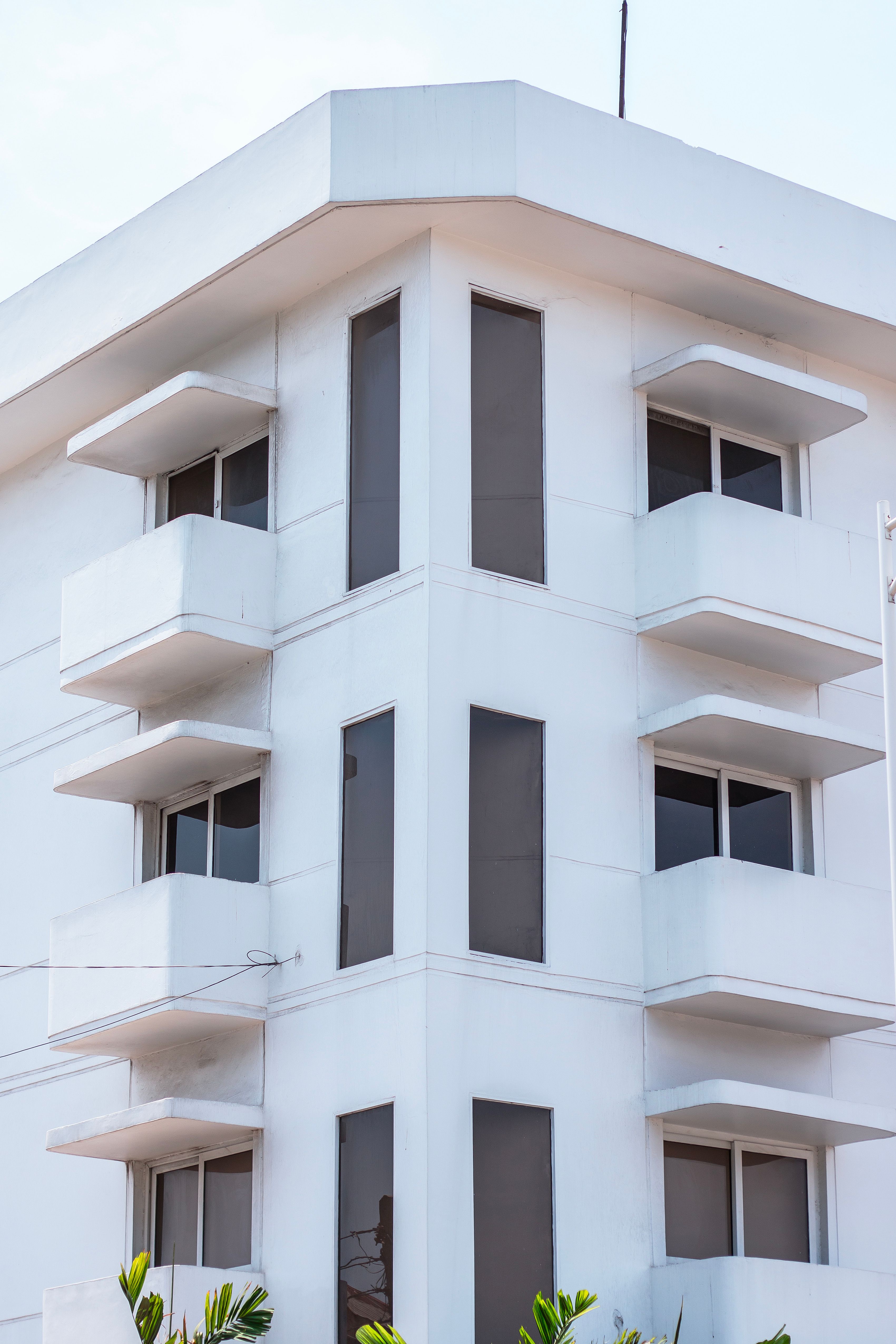
QBCC defines the Medium Rise scope precisely, combining storey count, National Construction Code building classification, and construction type.
- ✓Building work on a Class 1 or Class 10 building, at any scale within that class.
- ✓Building work up to a maximum of 3 storeys, but not including Type A construction on Classes 4 to 9 buildings.
- ✓Non-structural building work on any building, regardless of class or gross floor area.
- ✓Preparing plans and specifications for your personal use or for building work you personally perform.
The Type A exclusion on Classes 4-9 is the detail that trips up the most applicants and quoting builders. Type A construction generally involves more demanding fire-resistance and structural standards, and even a building under three storeys can still be Type A construction, which pushes it outside Medium Rise regardless of height.
Storeys alone do not decide the class
A three-storey project is not automatically Medium Rise scope. Confirm both the storey count and the construction type classification before assuming a project fits.
3. The Technical Qualification: Diploma (CPC50220)

For Builder – Medium Rise, QBCC’s benchmark qualification is the Diploma of Building and Construction, Building (CPC50220), or a formally recognised equivalent. QBCC treats the diploma as evidence of the theoretical and regulatory foundation the class demands, something a Certificate IV or practical experience alone does not establish.
- ✓A Certificate IV in Building and Construction is not sufficient for Medium Rise, no matter how much supervisory experience accompanies it.
- ✓The diploma must be fully completed at the time of lodgement, not part-finished.
- ✓Older diploma versions are only accepted if formally assessed and recognised as equivalent, alignment matters more than the issue date.
Submitting a Medium Rise application backed only by a Certificate IV is one of the most common reasons applications are refused, and it happens even to applicants with genuinely strong practical experience, because the qualification threshold is assessed independently of experience.
Do not lodge on a “nearly finished” diploma
An incomplete diploma stalls the entire application until it is formally issued, often pushing the overall timeline out by months. Wait until it is genuinely done.
4. Why the Experience Case Is Harder Than It Looks

QBCC assesses far more than your job title and years on-site. It looks at the building class, storey count, construction type and scope of work for every project you nominate, and Medium Rise experience specifically has to reflect the construction methodology set out in Volume 1 and 2 of the National Construction Code.
This is exactly why Medium Rise catches experienced applicants out. Low Rise experience can sometimes contribute if the methodology genuinely aligns with Medium Rise work, and Open licence class experience can be accepted on the same basis, but the alignment has to be demonstrated, not assumed. In practice, most builders’ project history naturally clusters into either straightforward Low Rise residential work or larger Open-scope commercial builds, leaving a genuinely thin band of experience that sits squarely inside Medium Rise.
Review every project against Medium Rise criteria specifically
Before nominating a project as Medium Rise experience, check its actual building class, storey count and construction type. A project you assume is a clear fit can just as easily fall into Low Rise or Open once assessed properly.
5. Medium Rise vs Low Rise vs Open
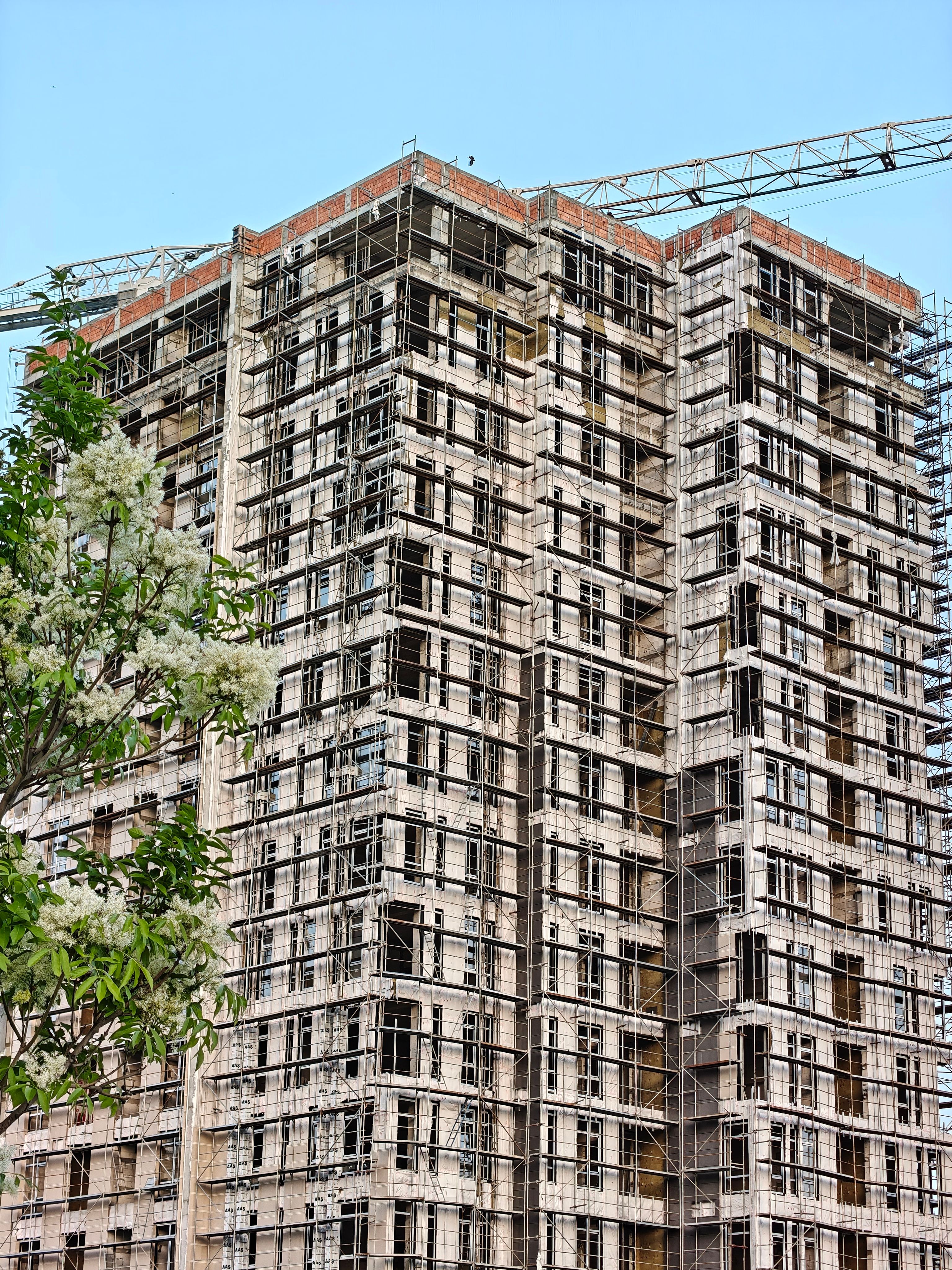
Seeing all three classes side by side makes the Medium Rise squeeze clearer.
An Open Builder can perform anything within the Low Rise or Medium Rise scope as well, which is exactly why some builders bypass Medium Rise altogether and aim straight for Open once their experience genuinely supports it. Others deliberately choose Medium Rise as the right-sized licence for a business focused on townhouse developments and small apartment blocks, without the extra qualification burden Open requires.
Consider whether Open is the more efficient target
If your experience already spans both smaller and larger projects, it can sometimes be more efficient to build a case for Open directly, rather than trying to isolate a narrow band of experience that sits precisely within Medium Rise.
6. Common Mistakes That Delay or Reject Applications

7. How QBCC Express Helps You Get a Medium Rise Licence

Medium Rise applications are genuinely more demanding than they first appear, precisely because the qualification requirement is strict and the experience pool that clearly fits the class is narrow. QBCC Express helps applicants map their real project history against Medium Rise criteria and confirm the qualification pathway before time and fees are spent.
Start with the QBCC Builder licences page to confirm the right pathway, or use the QX Checker to sense-check where you currently stand.
One strategy, one process, one outcome
Treating qualification, experience and financial readiness as one integrated pathway, rather than separate tasks tackled in isolation, is what separates a clean Medium Rise approval from a stalled one.
8. FAQs
Can I use a Certificate IV to apply for Medium Rise?
No. Medium Rise requires a Diploma of Building and Construction (CPC50220) or a formally recognised equivalent. A Certificate IV alone does not meet the requirement, regardless of experience.
Does a 3-storey project automatically qualify as Medium Rise?
Not necessarily. The building also needs to avoid Type A construction on Classes 4-9. A three-storey building using Type A construction sits outside Medium Rise scope.
Can my Low Rise experience count toward a Medium Rise application?
In some cases, if you can demonstrate the construction methodology genuinely aligns with Medium Rise work under the National Construction Code. It is assessed project by project, not assumed automati
cally.
Why is Medium Rise considered harder to get than Low Rise or Open?
The qualification jumps to a full Diploma with no substitute, and modern construction practice means fewer projects sit precisely within its 3-storey, non-Type-A scope, making a matching experience c
ase genuinely harder to assemble.
Should I aim for Open instead of Medium Rise?
It depends on your qualification and experience. If your project history already spans both smaller and larger work, building a case for Open directly can sometimes be more efficient than isolating a
narrow Medium Rise experience band.
Where should I start if I want a medium rise builders licence QLD?
Start with the QBCC Builder licences page or contact QBCC Express with your current qualification and project history.
Ready to confirm your medium rise builders licence pathway?
Get clarity on whether your qualification and project history genuinely fit the Medium Rise class before you commit to a course or lodge an application.