
Quick answer
An owner builder permit QLD is a QBCC permit that lets you take on the head contractor role for residential building work valued at more than $11,000 on your own land, without engaging a licensed builder to run the project. You generally need to complete an approved owner-builder course, pay a $493.59 application fee, and have the permit approved before any work starts. In most cases QBCC will only issue you one permit every six years.
Owner-building looks like the obvious way to save money on a Queensland home build or renovation, and for the right project it genuinely can be. What catches people out is that the permit is not simply a formality on the way to picking up a hammer. It transfers the legal responsibilities of a builder onto you personally, for one specific project, with no home warranty cover behind it.
This guide sets out what the owner builder permit actually authorises, the $11,000 threshold that decides whether you need one, who is eligible, the course and documents QBCC expects, what the permit will not let you do, and the trade-offs that only show up years later when you sell.
Table of Contents
1. What Is an Owner Builder Permit in QLD?
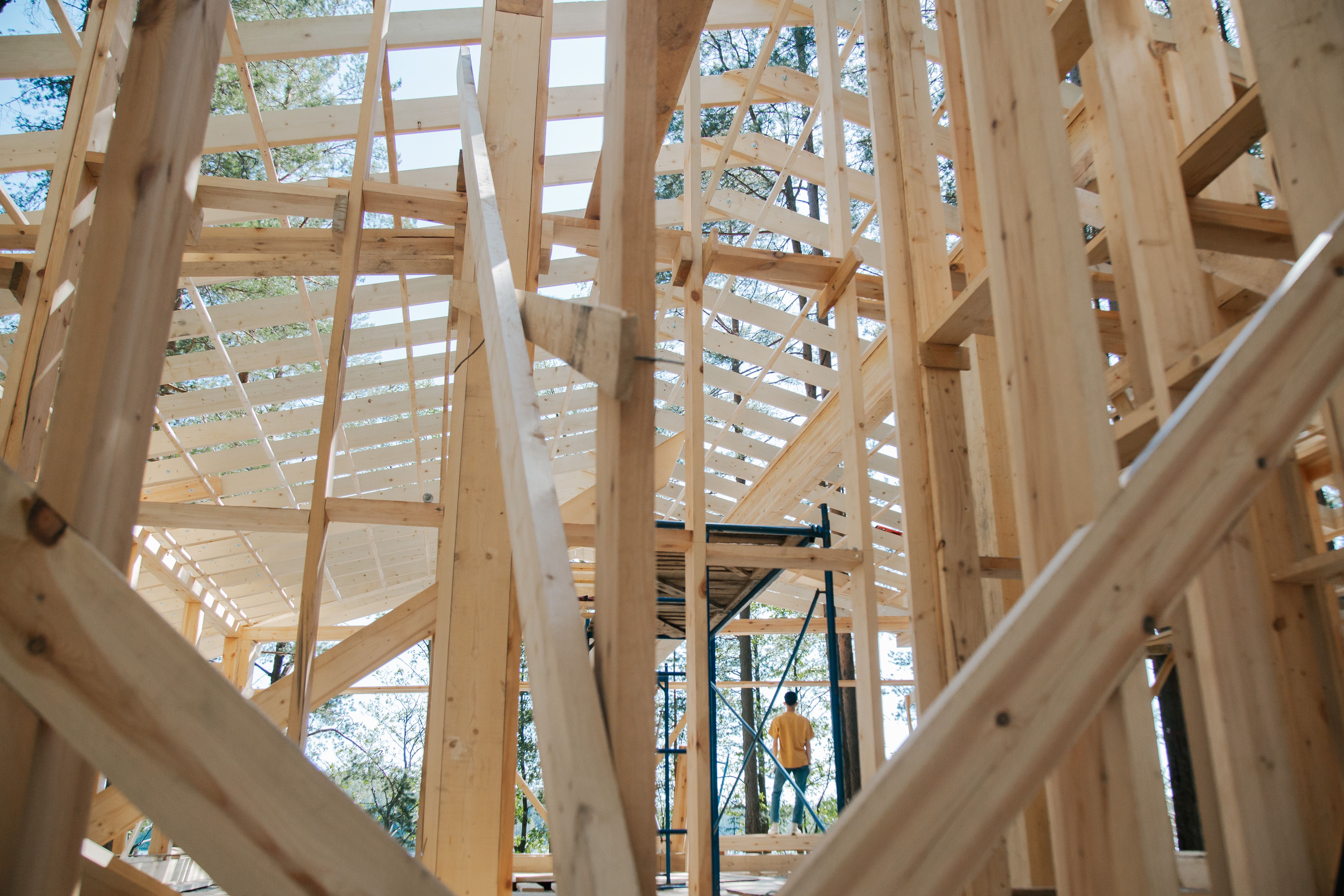
Owner-building is the term QBCC uses when someone carries out a residential building project on their own land without employing a licensed builder to oversee it. The permit is what makes that legal. It allows you to personally perform building work and to act as head contractor, which means you engage and coordinate your trades, schedule the work, and carry responsibility for the standard of what gets built.
It is worth being precise about what the permit is not. It is not a QBCC licence. It covers one nominated project at one address, it does not let you contract for anyone else, and it ends when that project is finished. If your intention is to build repeatedly or to build for other people, the QBCC Builder licences pathway is the one that actually fits.
A permit is a project authority, not a licence
An owner builder permit attaches to one property and one described scope of work. Building outside that description, or on a second property, needs a separate approval, and doing it anyway is an offence QBCC can fine you for.
2. When You Need a Permit: The $11,000 Threshold

You need an owner builder permit if you intend to undertake or supervise a residential building project valued at more than $11,000. The land can be yours, company-owned land where you are a director, or land you lease, provided the owner has given you permission and understands the work you plan to do.
- ✓Land you own personally, with your name on the title.
- ✓Company-owned land, where you are one of the directors of that company.
- ✓Leased land, with the owner’s written permission for the work described in the permit.
- ✓Farm buildings sit on a higher threshold of $27,500, and only for genuine farm use, not a shed for household goods or town cars.
The valuation trips up more applicants than the threshold itself. QBCC asks for the trade price of all labour and materials including GST, not what you actually paid. Work done by a mate for free, materials picked up second-hand, and salvaged fittings all have to be counted at what a licensed contractor would have charged and what the items retail for. A renovation that feels like an $8,000 job because of favours and salvage can be a $20,000 job on paper.
The permit has to be approved before the first excavation
No work can start on site, including excavation, until the permit is issued, and your certifier cannot sign off on plans until they have sighted it. QBCC can approve work after completion in some circumstances, but you may be fined and you still pay an application fee.
3. Who Can and Cannot Get an Owner Builder Permit

Eligibility runs on two separate checks. The first is whether you have the right relationship to the land. The second is whether anything in your compliance or permit history rules you out. Both have to clear before QBCC will look at the project itself.
The six-year rule is the one most likely to surprise a repeat renovator. QBCC will generally issue one permit per person every six years, and the exemption grounds are narrow: a serious medical condition affecting you or someone you live with where the work would help, or severe financial hardship in the same circumstances. You apply for the exemption first, then lodge the standard application with the approval letter attached.
Every applicant on the form is checked, not just the lead applicant
If two names go on the permit, both are assessed, and a director of a company applicant is assessed as well. One ineligible applicant is enough to stop the whole application, so check everyone’s history before you lodge.
4. The Owner-Builder Course and Exemptions

Unless you qualify for an exemption, at least one of the permit applicants has to complete an approved owner-builder course before applying. The course exists because the permit hands you obligations that normally sit with a licensed builder, and QBCC wants evidence you understand them before the first trade turns up.
- ✓Your course completion certificate must be no more than 5 years old at the time you apply.
- ✓Current QBCC licensees are automatically exempt, and simply quote their licence number on the form.
- ✓Interstate licensees and some building professionals can apply to QBCC for a course exemption.
- ✓If you hold an exemption approval letter rather than a certificate, a copy goes in with the application.
Course providers are private registered organisations, not QBCC, so cost and delivery format vary. Build the completion time into your program rather than treating it as something to sort out while the slab is being poured, because you cannot lodge without it.
A certificate older than five years is not accepted
If you completed the course for an earlier project, check the date before you plan around it. An expired certificate means sitting the course again, which is a delay you can avoid by checking early.
5. How to Apply: Documents, Fees and Timing

The application itself is straightforward once the eligibility and course questions are settled. What determines whether it moves quickly is the quality of the supporting documents, particularly the description of the work.
- ✓Proof of land ownership: a current Title Search or Registration Confirmation Statement from Titles Queensland, no more than 30 days old.
- ✓Your owner-builder course completion certificate, no more than 5 years old, or the QBCC exemption approval letter.
- ✓Proof of identity for every applicant on the form.
- ✓A detailed description of the work, including every additional feature such as carports, pools and pergolas.
- ✓A copy of the contract with the licensed builder, where you are completing a home from a stage that builder was contracted to.
- ✓The six-year exemption approval letter, if one applies to you.
Fees are set by legislation and are separate from your course cost. The main one is the permit application itself.
If your project costs increase once work is underway, you notify QBCC using the amendment form. There is no legislative fee for that, so there is no financial reason to leave the permit sitting at a value your project has outgrown.
Thin scope descriptions generate a request for more information
If the application does not describe the work in enough detail, QBCC emails you for more before it can approve anything. Listing every structure and feature up front is the cheapest delay you will ever avoid.
6. What You Can and Cannot Do Under the Permit
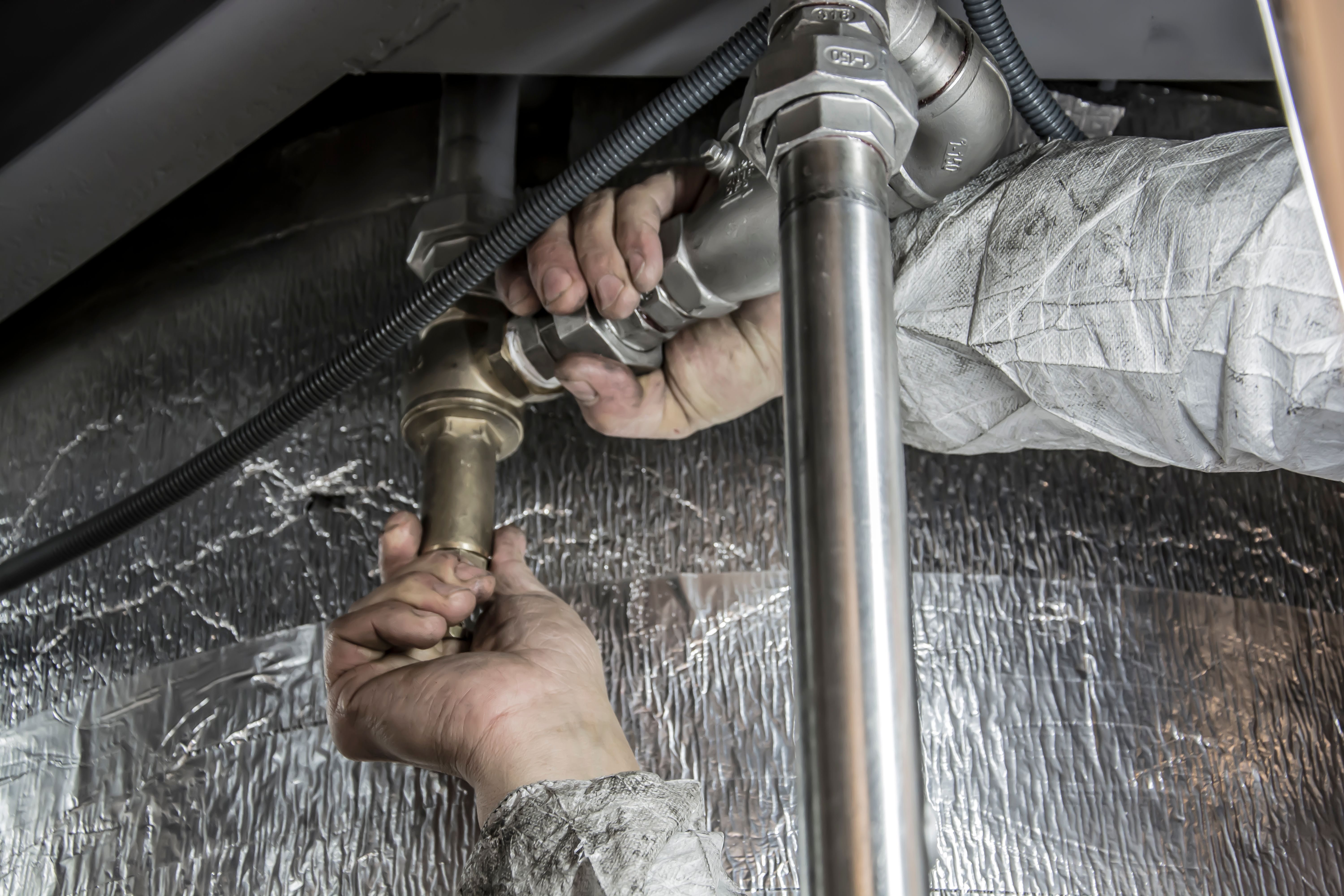
The permit covers general residential building work on your nominated property. It does not override occupational licensing, and it does not extend to commercial or multi-dwelling work at any value.
Anything not stated in your permit conditions is outside scope, and QBCC can fine an owner builder who works beyond those conditions. If the project grows into something the original description does not cover, amend the permit rather than assuming the extra work is close enough to what was approved.
Licensees can be better off taking out a permit
A QBCC licensee working on their own property without an owner-builder permit still has to pay the QLeave levy. Holding a permit exempts that work from the levy, so depending on project value, applying can be the cheaper option.
7. Trade-Offs: Warranty, Title Notification and Selling

The savings on builder margin are real, and so are the three things you give up in exchange. None of them bite during construction. All of them bite later.
The completion date that starts the clock is the date your certifier signs off on final documents, not the day you finish painting. Six years after that date you can apply to have the administrative advice removed from the title.
No warranty cover means no safety net for your own defects
Home warranty insurance exists for owners who contracted a licensed builder. As an owner builder you are the builder, so defect risk on the work you managed sits with you and follows the property into the sale.
8. Owner Builder Permit vs QBCC Licence

For a single home on your own block, the permit is usually the right tool. Once the plan involves more than one project, work for other people, or anything above a single dwelling, the comparison shifts quickly.
If the comparison is genuinely close for you, the QBCC Builder Low-Rise Licence is the class most owner builders end up looking at, since it covers houses, townhouses and small-scale work. The QX Checker is a quick way to sense-check where your qualifications and experience currently sit.
QBCC Express works on the licensing side of that decision, for people who conclude that a permit is a one-off answer to an ongoing plan.
Start with the QBCC Builder licences overview to compare classes, or read the QBCC Licence FAQs if you are still deciding whether licensing is the right direction at all.
One project or a pipeline
The six-year rule is the clearest test. If your plan involves a second build inside six years, a permit is not a strategy, and the licensing conversation is worth having before you commit to the first one.
9. FAQs
Do I need an owner builder permit for a small renovation in QLD?
Only if the residential building work is valued at more than $11,000, counting trade-price labour and materials including GST. Below that you still need any building approval the work requires.
How much does an owner builder permit cost in Queensland?
The QBCC application fee is $493.59. That is separate from the owner-builder course fee, which is set by the private course provider, and from any certifier and approval costs.
Can I start work while my permit application is being processed?
No. No work can begin on site, including excavation, until the permit is approved, and your certifier cannot sign off on plans until they have sighted it.
How often can I get an owner builder permit?
In most cases one permit every 6 years. Exemptions are granted in limited circumstances, such as a serious medical condition or severe financial hardship affecting you or someone you live with.
Do I get home warranty insurance as an owner builder?
No. The Queensland Home Warranty Scheme covers owners who contract a licensed builder, so owner-builders are not eligible for cover on the work they manage themselves.
Does an owner builder permit affect selling my house?
Yes. A notification is recorded on your title for 7 years, and if you sell within 6 years of the completion date you must tell the prospective buyer in writing.
Should I get a QBCC licence instead of an owner builder permit?
If you plan more than one project, want to build for others, or need home warranty cover, a licence is the better fit. Compare classes on the QBCC Builder licences page or contact QBCC Express with your plans.
Not sure whether a permit or a licence fits your plans?
Get clarity on whether a one-off owner builder permit or a QBCC Builder licence suits what you actually intend to build over the next few years, before you lodge either one.